
New open access book on safe and responsible nanotechnology
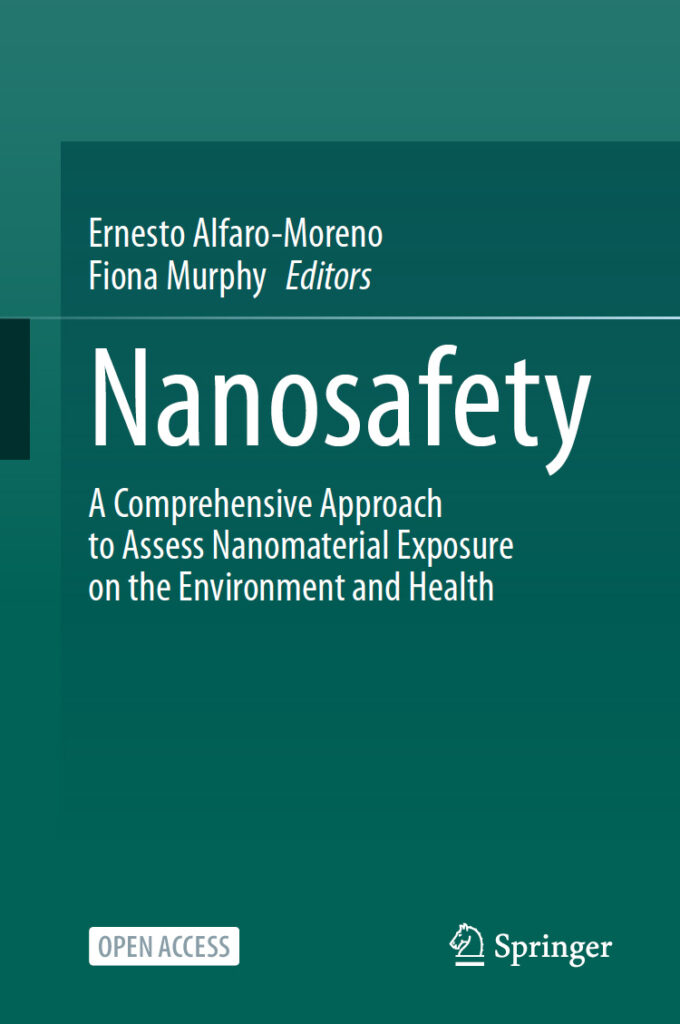
Nanosafety – A Comprehensive Approach to Assess Nanomaterial Exposure on the Environment and Health Brand new open access book on the latest technological advances in the safety assessment of nanomaterials, evaluating innovative methods and tools, focusing on practical applications of how the knowledge covered can be applied in various industries or research projects, and […]
Good scientific methods are not automatically used in regulatory work

Scientific methods and findings are often not directly suitable for regulation unless they are appropriately prepared and standardized. However, researchers often consider this process to be too complex or time-consuming. A recent review article from members of the EU project NanoHarmony addresses this dilemma. The article identifies several reasons for the lack of transfer of […]
Selective gas absorption at the touch of a button – without any heat
A research team at TU Darmstadt has developed a new type of composite material made from carbon and silicon dioxide. This material selectively binds gases such as CO₂, N₂, and argon from the air and can completely release them simply by applying or removing a low electrical voltage. The interfaces created in the millimeter range […]
Paper on science communication from former project DaNa now published
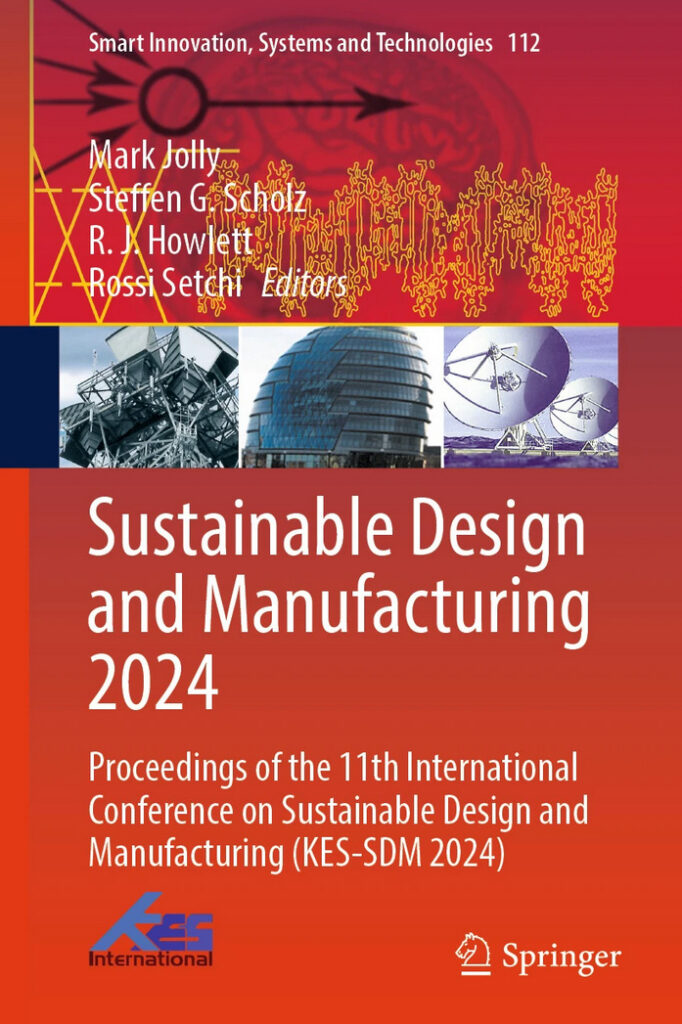
Our paper at the end of the DaNa4.0 project ‘Reliable Communication on Advanced Materials—The Impact of Science Communication on Society’ has now been published. The paper deals with the role of science communication on the topic of advanced materials and examines its influence on social perception and acceptance. We also refer to the knowledge database […]
Atomic-Level Insights into Single-Atom Catalysts
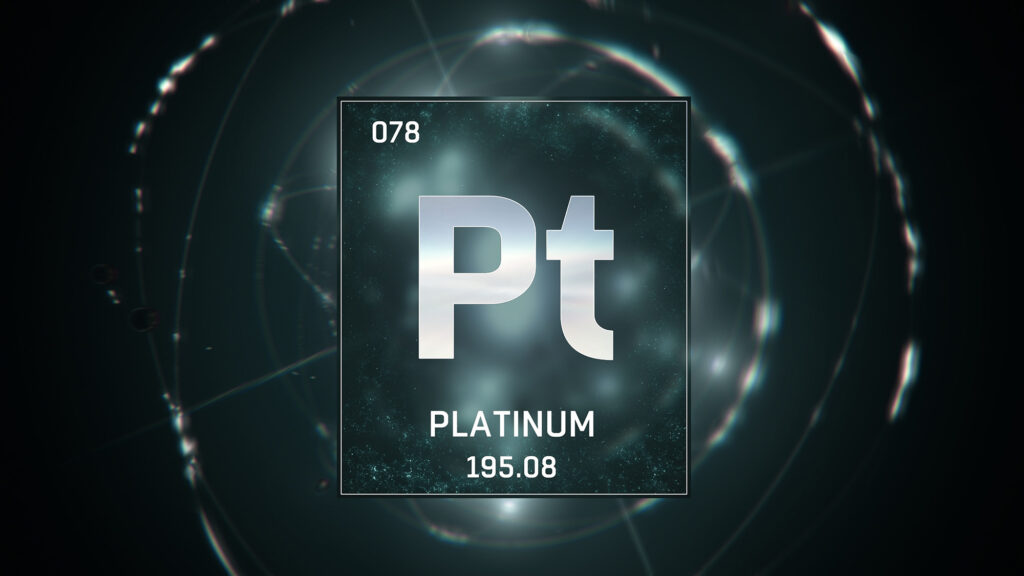
Researchers from ETH Zurich have demonstrated that ¹⁹⁵Pt solid-state NMR spectroscopy is a powerful tool for characterizing the local coordination environments of platinum in single-atom catalysts (SACs). Combined with Monte Carlo simulations, this method enables molecular-level precision in analyzing structure and reactivity—paving the way for the rational design of next-generation catalysts. With this new, easy-to-use […]
Nano Risk Governance Portal supporting risk governance of nanomaterials and nano-enabled products

The Horizon 2020 Programme of the European Union funded three research projects to enhance risk governance (RG) of nanomaterials (NMs) and nano-enabled products: Gov4Nano, NANORIGO, and RISKGONE. These projects aimed to establish a digital Nano Risk Governance Portal (NRGP) and associated IT infrastructure to support risk governance by providing a single-entry point for stakeholders needing […]
Bridging the Governance Gap – Divergent EU Approaches to Nano and Advanced Materials
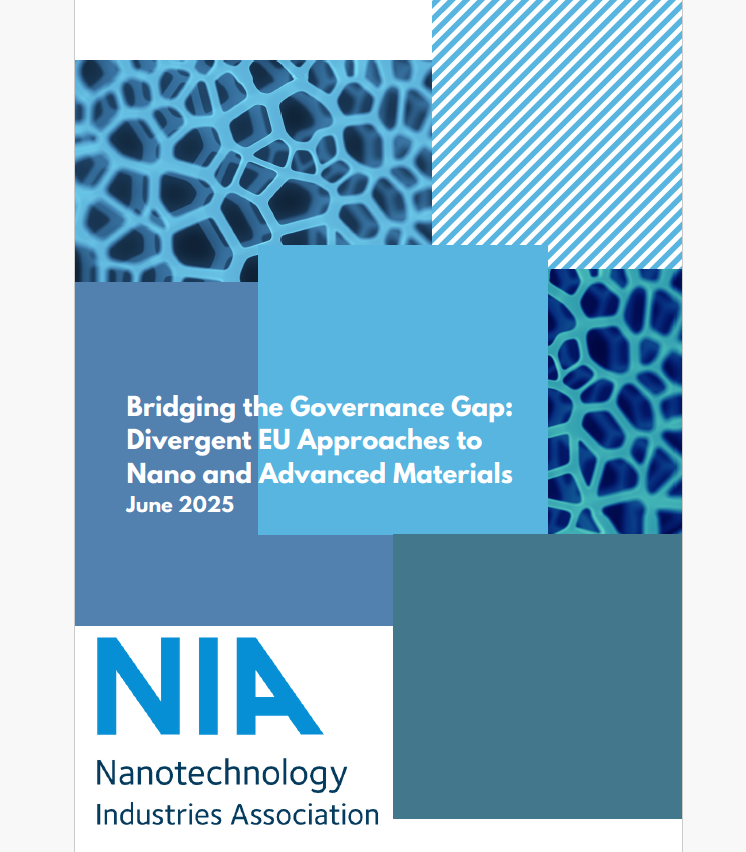
This paper highlights the position of the NIA (Nanotechnology Industry Association) on industry challenges with divergent EU approaches to nano and advanced materials. Europe is at a critical juncture in the approach that it takes towards nano and other advanced materials. On the one hand, EU seeks to take a globally leading position in materials […]
Horizon Europe work programmes 2025 published
EU invests €7.3 billion from Horizon Europe The European Commission is investing over €7.3 billion through its newly adopted Horizon Europe work programme for 2025 to strengthen Europe’s research and innovation engine and global edge. This will drive cutting-edge science, accelerate the EU’s green and digital transitions, and enhance Europe’s competitiveness. The programme will help […]
EU project MACRAMÉ publishes Innovation Report
The EU project MACRAMÉ promotes the safe and sustainable use of advanced materials (AdMas). The aim is to better identify and assess the potential health and environmental risks of these materials throughout their entire life cycle. To this end, the project is developing and standardising modern methods for analysis, risk assessment and regulation, particularly for […]
Catalysts and AI
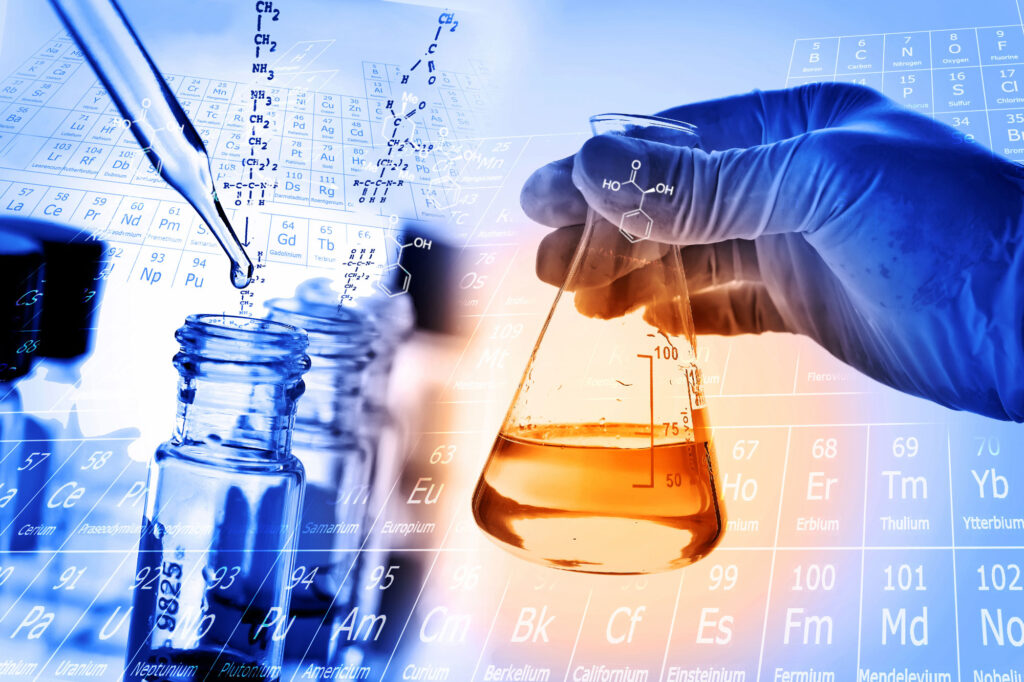
At the Leibniz Institute for Catalysis in Rostock (Germany), LIKAT, a doctoral student developed AI models for the Fischer-Tropsch process based on carbon dioxide. The process was originally developed in the 1920s to produce liquid hydrocarbons from carbon monoxide and hydrogen obtained from coal and petroleum. Laboratories around the world are researching ways to use […]